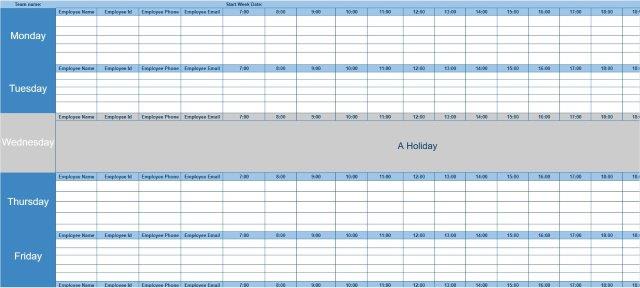

Grafiko modelis
Kategorija : Planuotojai
Tai tiesiog popierius, skirtas nubraižyti grafiką su paryškintais langeliais, kuriuos daug lengviau nubraižyti.
Grafo modelio šablonas yra universalus įrankis, naudojamas įvairiose srityse, pvz., matematikos, kompiuterių mokslo, inžinerijos ir duomenų analizės. Tai suteikia struktūrizuotą duomenų ar objektų santykių vaizdavimo ir analizės sistemą, naudojant grafų teoriją. Grafikai sudaryti iš mazgų (viršūnių) ir briaunų (jungčių tarp mazgų) ir yra pagrindinė tinklo analizės, duomenų vizualizavimo ir problemų sprendimo koncepcija.
Naudotojas gali naudoti šį grafiko modelio šabloną, kad pridėtų ir sukurti grafiką, kuriame gali būti:
- Magai (viršūnės): mazgai žymi objektus, objektus arba duomenų taškus diagramoje. Kiekvienas mazgas gali turėti etiketę arba identifikatorių, kad atskirtų jį nuo kitų.
- Kraštai (ryšiai): briaunos apibrėžia mazgų ryšius arba ryšius. Jie gali būti nukreipti (su rodykle, rodančia ryšio kryptį) arba nenukreipti (nėra konkrečios krypties).
- Svoris arba išlaidos: grafikams, naudojamiems tokiose programose kaip tinklo maršrutas arba optimizavimas, briaunos gali turėti susietų svorių arba išlaidų, kurios atspindi krašto perėjimo išlaidas.
- Atributai arba ypatybės: mazgai ir kraštai gali turėti papildomų atributų arba savybių. Pavyzdžiui, socialinio tinklo schemoje mazgai gali atstovauti asmenis, turinčius tokius atributus kaip amžius, vieta ir pomėgiai.
- Diagramos tipas: šablone gali būti nurodytas grafiko tipas, pvz. kaip nukreiptas grafikas (digrafas), nenukreiptas grafikas, svertinis grafikas, dvišalis grafikas ar kiti specializuoti tipai.
- Diagramos vizualizacija: kai kuriais atvejais šablonas apima vaizdinį grafiką, padedantį naudotojams suprasti duomenų struktūrą ir ryšius.
- Grafų algoritmai: jei naudojate išplėstines programas, šablone gali būti skirsnių, skirtų grafiko algoritmams, pvz., Dijkstros algoritmui, įdiegti arba aprašyti, paieška pagal plotį (BFS) arba paieška pagal gylį (DFS).
Grafo modelio šablono naudojimo pranašumai:
- Duomenys Atvaizdavimas: leidžia aiškiai ir vaizdžiai pavaizduoti sudėtingas duomenų struktūras ir ryšius.
- Problemų sprendimas: grafikai naudojami sprendžiant įvairias realaus pasaulio problemas, pvz. rasti trumpiausią kelią transporto tinkle, identifikuoti bendruomenes socialiniuose tinkluose arba optimizuoti išteklių paskirstymą.
- Duomenų vizualizacija: diagramos suteikia vaizdinį ir intuityvų būdą pateikti duomenis, todėl lengviau analizuoti ir perduoti informaciją.
- Tinklo analizė: naudinga analizuojant tinklus, įskaitant socialinius tinklus, transporto tinklus, kompiuterių tinklus ir kt.
- Duomenų modeliavimas: leidžia modeliuoti sudėtingas sistemas ir priklausomybes, padeda kurti ir modeliuoti sistemas.
- Efektyvumas: grafiniai algoritmai dažnai yra labai veiksmingi sprendžiant konkrečias problemas. problemų tipai, pvz., maršruto optimizavimas arba tinklo srauto analizė.
- Rašto atpažinimas: grafiko analizė gali atskleisti duomenų šablonus, anomalijas ir tendencijas.
Apibendrinant galima pasakyti, kad grafiko modelio šablonas yra universalus įrankis, naudojamas duomenims grafikų pavidalu atvaizduoti ir analizuoti. Jis taikomas daugeliui sričių ir suteikia struktūrizuotą santykių modeliavimo, sudėtingų problemų sprendimo ir įžvalgų iš duomenų pagrindą. Nesvarbu, ar naudojami matematikoje, kompiuterių moksle, inžinerijoje ar duomenų analizėje, grafiniai modeliai yra vertingi norint suprasti ir vizualizuoti sudėtingas sistemas ir tinklus.
Lengva peržiūrėti ir atsisiųsti skaičiuoklės šabloną
Peržiūrėkite visą skaičiuoklės šablono versiją be jokių apribojimų, kad sužinotumėte, ar jis jums patinka, tada galite atsisiųsti „Excel“ šabloną, išsaugoti jį savo įrenginyje ir naudoti jį nemokamai.
Pasiekite skaičiuoklės šabloną iš bet kur
Tai veikia visose populiariose operacinėse sistemose, tokiose kaip Windows, MacOS, Linux, iOS. Skaičiuoklių šablonus galite pamatyti ir atsisiųsti be papildomų programų.
Kaip naudoti šabloną
Išsiaiškinkite, kaip peržiūrėti, atsisiųsti ir naudoti skaičiuoklės šabloną, atlikdami veiksmus, kuriuos atlikti labai paprasta
Daugiau panašių šablonų
Peržiūrėkite daugiau skaičiuoklės šablonų, kurie yra toje pačioje kategorijoje su pasirinktu.