Graph Model
범주 : 기획자
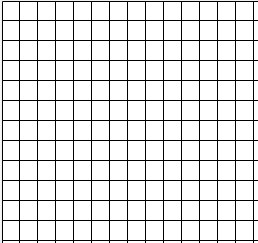
This is simply a paper for you to draw the graph with highlighted boxes on it much this much more easier to sketch.
A Graph Model Template is a versatile tool used in various fields, such as mathematics, computer science, engineering, and data analysis. It provides a structured framework for representing and analyzing data or relationships between entities using graph theory. Graphs are composed of nodes (vertices) and edges (connections between nodes), and they are a fundamental concept in network analysis, data visualization, and problem-solving.
User can use this Graph Model Template to add and create graph which can contain:
- Nodes (Vertices): Nodes represent entities, objects, or data points within the graph. Each node may have a label or identifier to distinguish it from others.
- Edges (Connections): Edges define the relationships or connections between nodes. They can be directed (with an arrow indicating the direction of the relationship) or undirected (no specific direction).
- Weights or Costs: For graphs used in applications like network routing or optimization, edges may have associated weights or costs that represent the cost of traversing the edge.
- Attributes or Properties: Nodes and edges can have additional attributes or properties. For example, in a social network graph, nodes might represent individuals with attributes like age, location, and interests.
- Graph Type: The template may specify the type of graph, such as a directed graph (digraph), undirected graph, weighted graph, bipartite graph, or other specialized types.
- Graph Visualization: In some cases, the template includes a visual representation of the graph, helping users understand the structure and relationships within the data.
- Graph Algorithms: For advanced applications, the template may include sections for implementing or describing graph algorithms like Dijkstra's algorithm, breadth-first search (BFS), or depth-first search (DFS).
Benefits of Using a Graph Model Template:
- Data Representation: Allows for the clear and visual representation of complex data structures and relationships.
- Problem Solving: Graphs are used to solve various real-world problems, such as finding the shortest path in a transportation network, identifying communities in social networks, or optimizing resource allocation.
- Data Visualization: Graphs provide a visual and intuitive way to represent data, making it easier to analyze and communicate information.
- Network Analysis: Useful for analyzing networks, including social networks, transportation networks, computer networks, and more.
- Data Modeling: Enables the modeling of complex systems and dependencies, aiding in system design and simulation.
- Efficiency: Graph algorithms are often highly efficient for solving specific types of problems, such as route optimization or network flow analysis.
- Pattern Recognition: Graph analysis can reveal patterns, anomalies, and trends within the data.
In summary, a Graph Model Template is a versatile tool used for representing and analyzing data in the form of graphs. It is applicable to a wide range of domains and provides a structured framework for modeling relationships, solving complex problems, and gaining insights from data. Whether used in mathematics, computer science, engineering, or data analysis, graph models are valuable for understanding and visualizing complex systems and networks.
간편한 미리보기 및 스프레드시트 템플릿 다운로드
제한 없이 스프레드시트 템플릿의 전체 버전을 보고 마음에 드는지 확인한 다음 Excel 템플릿을 다운로드하여 장치에 저장하고 무료로 사용할 수 있습니다.
어디서나 스프레드시트 템플릿에 액세스
이는 Windows, MacOS, Linux, iOS와 같은 널리 사용되는 모든 운영 체제에서 작동합니다. 별도의 프로그램 없이 스프레드시트 템플릿을 확인하고 다운로드할 수 있습니다.
템플릿을 사용하는 방법
따라하기 매우 쉬운 단계에 따라 스프레드시트 템플릿을 미리 보고, 다운로드하고, 사용하는 방법을 알아보세요.
더 유사한 템플릿
선택한 것과 동일한 카테고리에 있는 더 많은 스프레드시트 템플릿을 확인하세요.