Gestió d'inventari de la propietat
Categoria : Seguidors
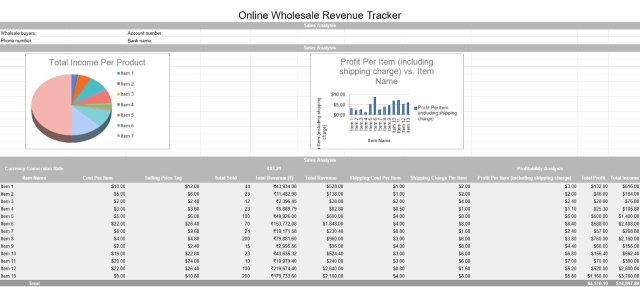
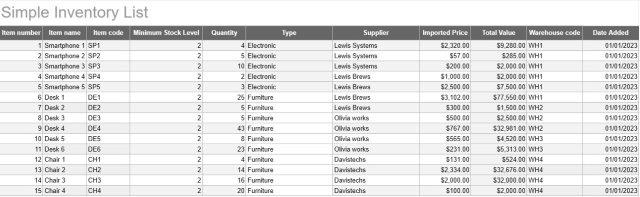
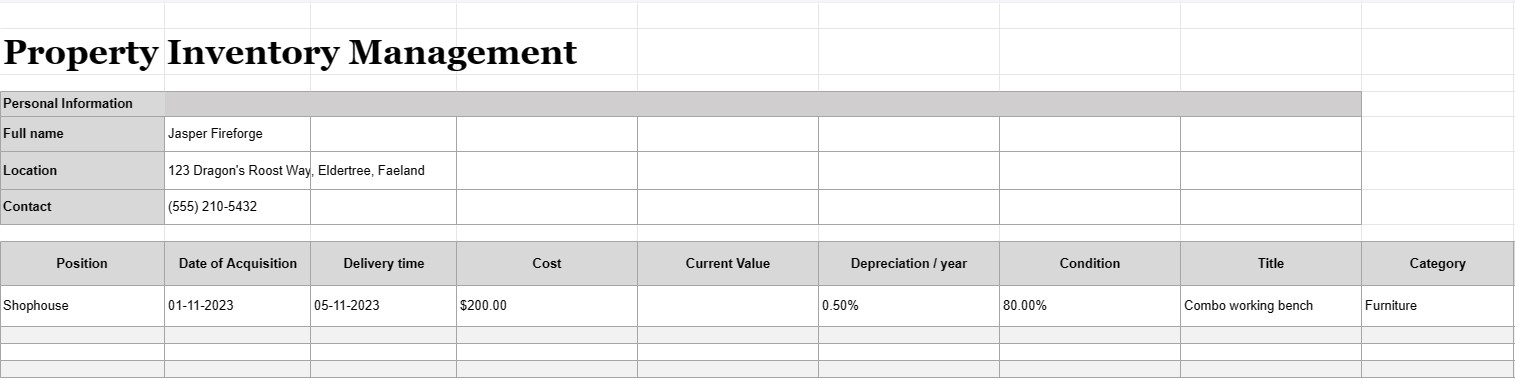
Tenir una propietat i gestionar-la i els inventaris que hi ha al seu interior no són una tasca fàcil de gestionar, creiem que és molt més fàcil organitzar els seus objectes amb aquesta plantilla d'excel.


La gestió de l'inventari de la propietat és el procés de mantenir un registre detallat i organitzat de tots els actius, equips o articles propietat, utilitzats o gestionats per una persona, empresa o organització. Un document de gestió d'inventari de propietats, sovint conegut com a llista d'inventari o registre d'actius, és un document o base de dades que s'utilitza per registrar i fer un seguiment de la informació sobre aquests actius. Aquest document és crucial per a diversos propòsits, com ara la gestió d'actius, el seguiment financer, la planificació del manteniment i l'avaluació de riscos.
A continuació es mostren els components clau que normalment s'inclouen en un document de gestió d'inventari de propietats:
- Descripció de l'actiu: una descripció detallada de cada actiu, inclòs el seu nom, model, número de sèrie, fabricant i qualsevol altra informació rellevant que identifiqui l'element de manera única.
- < span>Categoria d'actius: els actius es classifiquen en funció del seu tipus, com ara equipament d'oficina, maquinària, vehicles, mobles, electrònica o béns immobles.
- Ubicació de l'actiu: La ubicació física o el departament específic on es troba l'actiu, especialment important per a organitzacions més grans amb diverses instal·lacions.
- Data d'adquisició: la data en què s'ha adquirit o comprat l'actiu. Això ajuda a determinar-ne l'antiguitat i la depreciació.
- Cost: el cost de compra original o el cost d'adquisició de l'actiu, inclosos els impostos, l'enviament i les tarifes d'instal·lació.
- Valor actual: el valor estimat actual de l'actiu, que pot canviar amb el temps a causa de l'amortització o l'apreciació.
- Condició: l'estat actual de l'actiu. l'actiu, incloses les necessitats de manteniment o reparació necessàries.
- Amortització: informació sobre l'amortització de l'actiu, inclòs el mètode d'amortització (per exemple, lineal o saldo decreixent) i la despesa d'amortització anual .
- Informació de la garantia: Detalls sobre qualsevol garantia o acord de servei associat amb l'actiu, incloses les dates de caducitat de la garantia.
- Historial d'ús:
- span> Informació sobre la freqüència i la intensitat amb què s'utilitza l'actiu, que pot ajudar amb la planificació del manteniment i la planificació de substitucions.
- Registres de manteniment: registres de totes les activitats de manteniment i reparació realitzades al actiu, incloses les dates, els costos i les descripcions del treball realitzat.
- Informació d'eliminació: Detalls sobre com i quan es va eliminar o retirar l'actiu, inclòs el preu de venda i el valor de recuperació. , o els costos d'eliminació.
- Codi de barres o codi QR: si escau, els actius es poden etiquetar amb codis de barres o codis QR que enllacin amb els seus registres respectius al sistema de gestió d'inventari, de manera que més fàcil de rastrejar i localitzar els articles.
- Part responsable: la persona o departament responsable de la cura, manteniment i gestió de l'actiu.
- Assegurança. Informació: informació sobre la cobertura de l'assegurança de l'actiu, inclosos els números de pòlissa i els detalls de la cobertura.
- Avaluació de riscos: notes sobre els possibles riscos associats a l'actiu, com ara problemes de seguretat o problemes de compliment.
- Fotografies: documentació visual de l'actiu, incloses fotos o escanejos de números de sèrie, etiquetes de recursos i el propi recurs.
- Pista d'auditoria: A historial de canvis fets als registres d'actius, inclosos els noms d'usuari, les dates i les descripcions de les modificacions.
Els documents de gestió d'inventari de propietats són essencials per a empreses i organitzacions de totes les mides, ja que ajuden a garantir que els actius es comptabilitzen correctament, es mantenen i s'utilitzen de manera eficient. Aquests documents faciliten la presa de decisions informades, milloren la seguretat dels actius i donen suport als informes financers i de compliment. A més, són crucials en escenaris de recuperació de desastres i per a reclamacions d'assegurances en cas de pèrdua o dany als actius.
Fàcil visualització prèvia i descàrrega de la plantilla de full de càlcul
Vegeu la versió completa d'una plantilla de full de càlcul sense limitacions per veure si us agrada, podeu descarregar la plantilla d'Excel per emmagatzemar-la al vostre dispositiu i utilitzar-la gratuïtament.
Accediu a la plantilla de full de càlcul des de qualsevol lloc
Això funciona en tots els sistemes operatius populars com Windows, MacOS, Linux, iOS. Podeu veure les plantilles de full de càlcul i descarregar-les sense programes addicionals.
Com utilitzar una plantilla
Descobriu com previsualitzar, baixar i utilitzar la plantilla del full de càlcul seguint els passos que són molt fàcils de seguir
Plantilles més semblants
Vegeu més de les plantilles de full de càlcul que es troben a la mateixa categoria que l'escollida.